A Deep Dive into the Compression Molding Process for Innovative Designs
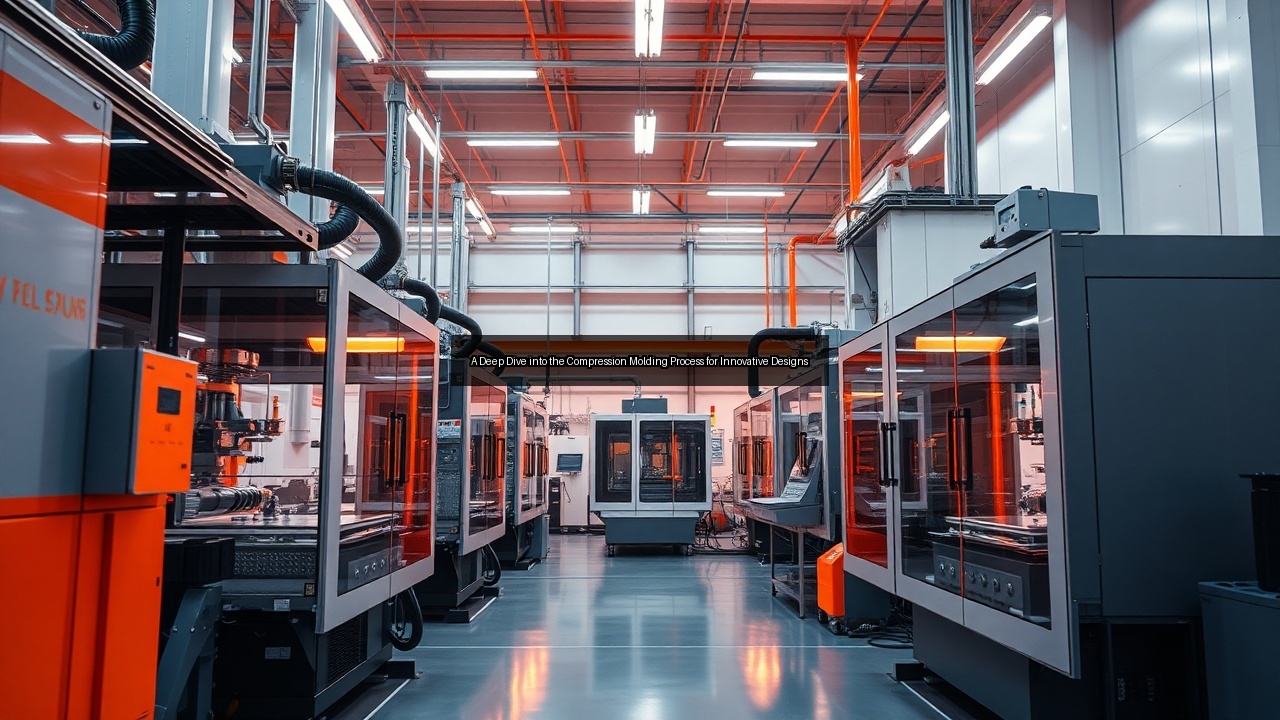
Understanding the Compression Molding Process
What is Compression Molding?
Compression molding stands as a vital manufacturing process, particularly for creating parts from thermosetting plastics. This method involves placing a measured amount of material into a heated mold cavity, after which the mold closes, applying heat and pressure. The material then flows to fill the mold, taking its shape as it cures. This technique suits a wide array of products, from automotive components to household items. The simplicity and efficiency of the compression molding process contribute to its popularity, especially for large-scale production runs where uniformity and cost-effectiveness are paramount. Manufacturers favor compression molding for its ability to produce complex shapes with minimal waste, making it an attractive option for many industries.
Key Components of Compression Molding
The compression molding process hinges on several key components that ensure efficiency and precision. First, the compression mold itself, usually made from durable metals such as steel or aluminum, features two halves—female and male—that define the part's final shape. The heating system integrated into the mold maintains optimal temperatures, allowing the thermosetting material to flow and cure effectively. Material selection plays a crucial role as well; manufacturers often utilize various thermosetting plastics that provide desired characteristics such as strength, flexibility, and heat resistance. Additionally, the process requires a compression fitting to apply the necessary pressure, ensuring the material fills every contour of the mold. These components work harmoniously to facilitate high-quality production, making compression molding a go-to method for many manufacturers.
How Compression Molding Differs from Injection Molding
Compression molding differs significantly from injection molding, another prevalent molding technique. While both processes utilize molds to shape materials, the methods of material application and curing set them apart. In injection molding, plastic pellets are heated until molten and then injected into a mold under high pressure. This allows for intricate designs and rapid production, ideal for high-volume manufacturing. Conversely, compression molding involves placing a pre-measured amount of material into the mold, where it is then heated and compressed. This process typically uses thermosetting plastics, which cure as they are heated, making it less suitable for certain applications that require the versatility of thermoplastics. Each method offers distinct advantages, and the choice between them often depends on factors such as production volume, material type, and desired part geometry.
Applications of Compression Molding in Various Industries
Use in the Food and Beverage Sector
Compression molding finds extensive application in the food and beverage sector, where safety and durability are paramount. Manufacturers rely on this process to create components like seals, gaskets, and containers that meet strict regulatory standards. The ability to produce high-quality, food-grade materials makes compression molded parts ideal for applications such as lids and closures that require airtight seals. Moreover, compression molding allows for the integration of custom designs that cater to branding and functionality. As sustainability becomes increasingly important, many manufacturers explore eco-friendly materials in their compression molding processes, contributing to reduced environmental impact while maintaining quality and performance standards essential in the food and beverage industry.
Compression Molding for Medications and Healthcare
In the healthcare sector, compression molding plays a critical role in the production of medical devices, packaging, and components used in pharmaceuticals. Reliable and consistent molds ensure that products such as pill bottles, syringes, and various medical instruments meet safety and sterility requirements. The precision offered by the compression molding process allows manufacturers to design intricate and functional components that enhance user experience and efficacy. Furthermore, the material choices available in compression molding, including biocompatible plastics, align with the demanding standards of the healthcare industry. This capability to produce tailored solutions enables manufacturers to innovate continuously, ensuring that healthcare providers have access to high-quality, effective products.
Innovative Designs in Hardware and O-Ring Manufacturing
Compression molding significantly impacts hardware manufacturing, particularly in the creation of O-rings and other sealing solutions. The precision and repeatability of the compression molding process make it ideal for producing O-rings that require specific dimensions and tolerances to ensure optimal performance. Manufacturers can create O-rings from various materials, including elastomers, that withstand extreme conditions and prevent leakage in critical applications. Beyond O-rings, compression molding supports innovative designs in hardware components ranging from grommets to bushings, allowing engineers to explore new functionalities while keeping production costs manageable. The versatility of compression molds enables the development of custom solutions tailored to specific hardware applications, further cementing the process's relevance in modern manufacturing.
Advantages of Choosing Compression Molding Services
Cost-Effectiveness and Material Efficiency
Choosing compression molding services offers manufacturers significant cost-effectiveness and material efficiency. This process minimizes waste by using only the required amount of material for each part, making it a sustainable option for large-scale production. The initial investment in molds may be higher, but the long-term savings on material costs and labor make it worthwhile. Additionally, compression molding allows for the use of less expensive materials compared to those required in injection molding, further enhancing cost efficiency. Manufacturers benefit from lower production costs while maintaining product quality, which is crucial in highly competitive markets. This combination of affordability and efficiency positions compression molding as a preferred choice for businesses looking to optimize their manufacturing processes.
Flexibility in Design and Production
Compression molding provides unmatched flexibility in design and production, accommodating a wide range of product shapes and sizes. Engineers can create intricate designs and varying wall thicknesses without compromising structural integrity. This adaptability allows for rapid prototyping, enabling manufacturers to test new ideas and concepts quickly. Furthermore, compression molds can be modified or repurposed, allowing for adjustments in design without incurring substantial costs. This versatility becomes particularly advantageous in industries where innovation drives market success, as companies can respond swiftly to changing demands and trends. The ability to produce customized parts efficiently ensures that manufacturers remain competitive while delivering high-quality products tailored to customer specifications.
Fast Turnaround Times for Manufacturers
Manufacturers appreciate the fast turnaround times associated with compression molding services. The process can produce parts quickly, facilitating rapid production cycles that meet tight deadlines. Once the molds are created, manufacturers can efficiently produce large quantities of components in a short time span. This speed is particularly beneficial in industries where time-to-market is critical, such as consumer goods and automotive sectors. The combination of quick production and efficient material use allows businesses to maintain inventory levels while minimizing lead times. This agility not only enhances customer satisfaction but also strengthens manufacturers' positions in the marketplace, enabling them to capitalize on emerging opportunities without delay.
Future Trends in Compression Molding and Design Innovation
Sustainable Practices in Compression Molding
Sustainable practices are shaping the future of compression molding. As manufacturers increasingly prioritize environmental responsibility, the adoption of eco-friendly materials and processes becomes essential. Many businesses are exploring biodegradable plastics and recycled materials for their compression molded products, reducing waste and resource consumption. Additionally, advancements in energy-efficient heating technologies contribute to lower energy usage during production. The emphasis on sustainability aligns with consumer preferences for environmentally conscious products, prompting manufacturers to innovate continuously in their molding techniques. By integrating sustainable practices, compression molding not only enhances its appeal in the marketplace but also contributes to a greener manufacturing landscape.
Emerging Technologies and Materials in Molding
Emerging technologies and materials are revolutionizing the compression molding landscape. Innovations such as automation and 3D printing are enhancing production efficiency and design capabilities. Manufacturers can now utilize advanced polymers and composites that offer superior performance characteristics, such as increased strength and flexibility. These materials expand the possibilities for product design, enabling the creation of more complex and functional components. Additionally, advancements in simulation software allow engineers to optimize mold designs and predict performance outcomes before physical production begins. As these technologies evolve, they promise to enhance the effectiveness and versatility of compression molding processes, paving the way for groundbreaking innovations in various industries.
The Role of Compression Molding in Custom Fabrication
Compression molding plays a crucial role in custom fabrication, catering to specific customer needs and industry requirements. Manufacturers can produce tailored solutions that address unique challenges, providing a competitive edge in the market. This customization extends to the design, materials, and production processes, allowing companies to create products that stand out. As industries grow more specialized, the demand for custom molded parts increases, making compression molding an indispensable tool for manufacturers. By focusing on custom fabrication, businesses can enhance customer satisfaction, improve product performance, and drive innovation in their respective markets. The ability to adapt and customize will define the future of compression molding and its relevance in modern manufacturing.