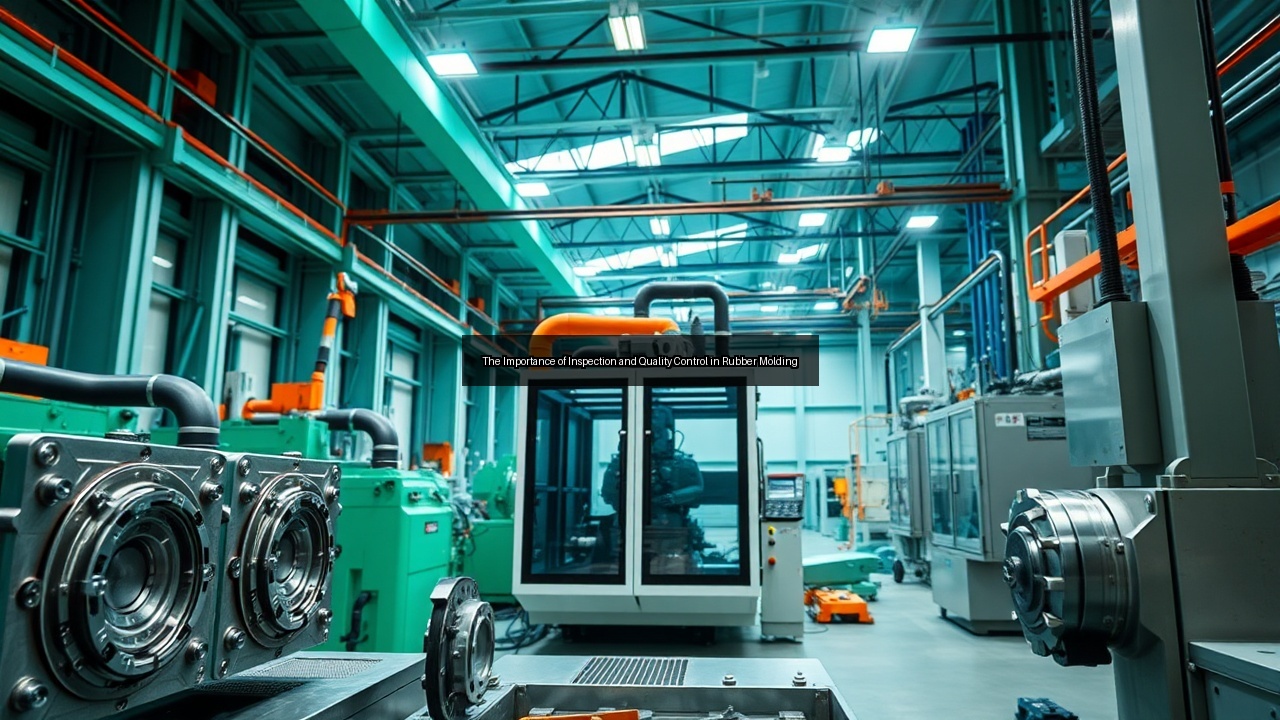
The Importance of Inspection and Quality Control in Rubber Molding
Understanding Rubber Molding Processes
Overview of Rubber Molding Techniques
Rubber molding encompasses various techniques that transform raw rubber into functional products. Manufacturers utilize these techniques based on the desired characteristics of the final product, including flexibility, durability, and resistance rubber custom molds to environmental factors. The most common methods include injection molding, compression molding, and transfer molding. Each technique offers unique advantages and applications, allowing for diverse designs and specifications. Understanding these processes is essential for optimizing production efficiency and meeting customer requirements. The choice of molding method directly impacts the quality, cost, and performance of rubber products, making it a critical decision in the manufacturing process.
Injection Molding vs. Compression Molding
Injection molding and compression molding are two dominant methods in the rubber manufacturing industry. Injection molding involves injecting molten rubber into a specially designed mold under high pressure. This technique allows for precise control over the dimensions and tolerances of the molded parts, making it ideal for producing complex shapes with high repeatability. Manufacturers favor this method for large-scale production due to its efficiency and ability to minimize waste. On the other hand, compression molding uses a preheated rubber material placed into an open mold, which then closes under pressure. This method is simpler and often more cost-effective for smaller production runs or thicker parts, commonly seen in automotive gaskets and bumpers. Both methods have their merits, and the choice between them depends on the specific application and production needs.
Transfer Molding: A Comprehensive Look
Transfer molding bridges the gap between injection and compression molding, offering unique benefits. In this method, raw rubber is preheated and placed into a transfer pot. A plunger then forces the rubber through channels into a closed mold cavity, where it cures. This technique allows for better control over the material flow and is particularly useful for complex parts with intricate designs. Manufacturers often choose transfer molding for applications requiring high precision and uniformity, such as in making rubber custom molding bushings and seals. The versatility of this process makes it a valuable option for custom rubber molding, catering to a wide range of industries, including automotive and industrial applications.
The Role of Quality Control in Rubber Manufacturing
Establishing Tolerances in Rubber Molding
Quality control plays a pivotal role in rubber molding, particularly when establishing tolerances. Tolerances refer to the permissible limits of variation in physical dimensions and properties of molded rubber products. Manufacturers must define these tolerances early in the design phase to ensure that the final products meet the required specifications. Effective quality control ensures that each molded part adheres to these standards, preventing defects that could lead to product failure. Implementing stringent tolerance criteria not only enhances product reliability but also fosters customer trust. Continuous monitoring throughout the manufacturing process helps identify potential issues before they escalate, reinforcing the importance of quality control in achieving optimal results.
Importance of Inspection During the Molding Process
Inspection is a critical component of quality control in rubber molding. Regular inspections during the manufacturing process help detect defects or inconsistencies early, allowing for timely corrections. This proactive approach minimizes waste and reduces the risk of producing non-compliant products. Techniques such as visual inspections, dimensional measurements, and material testing play an essential role in ensuring that the molded parts meet stringent quality standards. Additionally, utilizing advanced technologies like automated inspection systems enhances accuracy and efficiency, providing manufacturers with real-time feedback on product quality. Robust inspection protocols not only safeguard the integrity of the final products but also contribute significantly to overall customer satisfaction.
ISO Standards and Their Impact on Quality
ISO standards serve as a benchmark for quality control in rubber manufacturing. These internationally recognized standards outline best practices for manufacturing, testing, and quality assurance, ensuring that products meet global requirements. Compliance with ISO standards enhances the credibility of rubber manufacturers and assures customers of consistent quality. Adhering to these standards often involves implementing a comprehensive quality management system that encompasses all aspects of production, from raw material sourcing to final inspection. This structured approach not only improves the overall manufacturing process but also fosters continuous improvement. For manufacturers engaged in custom rubber molding, ISO certification can differentiate them in a competitive market, highlighting their commitment to quality and reliability.
Technological Advancements in Rubber Molding
Innovative Tools and Equipment in Manufacturing
Technological advancements have revolutionized the rubber molding industry, introducing innovative tools and equipment that enhance manufacturing efficiency. Modern molding machines come equipped with advanced features such as programmable logic controllers (PLCs) and touch-screen interfaces, allowing operators to monitor and adjust parameters in real-time. This level of control promotes consistency and precision in the molding process. Additionally, the integration of robotics in material handling and inspection tasks streamlines workflows, reducing human error and increasing productivity. These advancements enable manufacturers to produce custom rubber molds and components with greater accuracy, catering to the specific needs of their customers while maintaining high-quality standards.
Temperature and Pressure Control in Molding Technologies
Effective temperature and pressure control are essential for optimal rubber molding outcomes. The properties of rubber materials can significantly change based on temperature and pressure conditions during the molding process. Advanced molding technologies now incorporate sophisticated temperature control systems, which ensure uniform heat distribution throughout the mold. This consistency leads to improved curing and better overall product quality. Similarly, maintaining precise pressure levels during injection or compression molding is crucial for achieving the desired material flow and packing density. As manufacturers continue to invest in these technologies, they enhance their ability to produce high-quality custom rubber products that meet the exacting demands of various industries.
The Future of Custom Rubber Molding: Trends and Innovations
The future of custom rubber molding looks promising, driven by trends and innovations that enhance product capabilities. One significant trend is the increasing demand for eco-friendly and sustainable rubber materials. Manufacturers are exploring alternatives such as bio-based elastomers and recycled rubber, appealing to environmentally conscious customers. Additionally, advancements in digital technologies, including 3D printing, are beginning to influence rubber mold design and production. This allows for rapid prototyping and customization, enabling manufacturers to respond quickly to market needs. As industries evolve, the push for more specialized and high-performance rubber products will continue, setting the stage for ongoing innovation in custom rubber molding.
Applications and Considerations for Custom Rubber Products
Diverse Applications: Automotive, Food, and Industrial
Custom rubber products find applications across various industries, including automotive, food, and industrial sectors. In the automotive industry, rubber components such as gaskets, seals, and bumpers play critical roles in ensuring vehicle performance and safety. These products must withstand extreme conditions, including temperature fluctuations and exposure to chemicals. In the food industry, rubber materials must comply with stringent hygiene rubber custom molds and safety standards, making custom rubber molding essential for producing items like food-grade seals and mats. Industrial applications also benefit from custom rubber parts, such as vibration dampers and noise reduction components, which enhance equipment efficiency and longevity. The versatility of rubber and its adaptability to diverse applications make it a preferred choice for manufacturers.
Designing Rubber Shapes for Specific Functions
Designing rubber shapes for specific functions requires a deep understanding of material properties and engineering principles. Manufacturers must consider factors such as flexibility, hardness, and tensile strength when creating custom rubber molds. Engineers often utilize computer-aided design (CAD) software to develop intricate designs that meet functional requirements. Additionally, simulations can predict how rubber products will perform under various conditions, aiding in the design process. This level of detail ensures that the final product not only meets customer expectations but also performs effectively in its intended application. Custom rubber molding allows for innovative designs that enhance product functionality, whether in automotive components or specialized industrial applications.
Packaging and Clean Room Requirements for Rubber Products
Packaging and clean room requirements are vital considerations in the production of custom rubber products. Manufacturers must ensure that finished products are packaged appropriately to prevent contamination during storage and transportation. Utilizing clean room environments for sensitive rubber applications, such as those used in the medical or food industries, is essential. Clean rooms minimize the risk of particulate contamination, ensuring that the rubber components meet stringent safety and quality standards. Implementing proper packaging solutions further protects the integrity of the products, maintaining their performance and compliance with regulations. By addressing these considerations, manufacturers can uphold their commitment to quality and customer satisfaction.